
Light therapy has been studied across dermatology, tissue response, recovery and photobiomodulation. This library brings together selected research and reference material relevant to the wavelengths used within LIGHTWAVE professional systems.
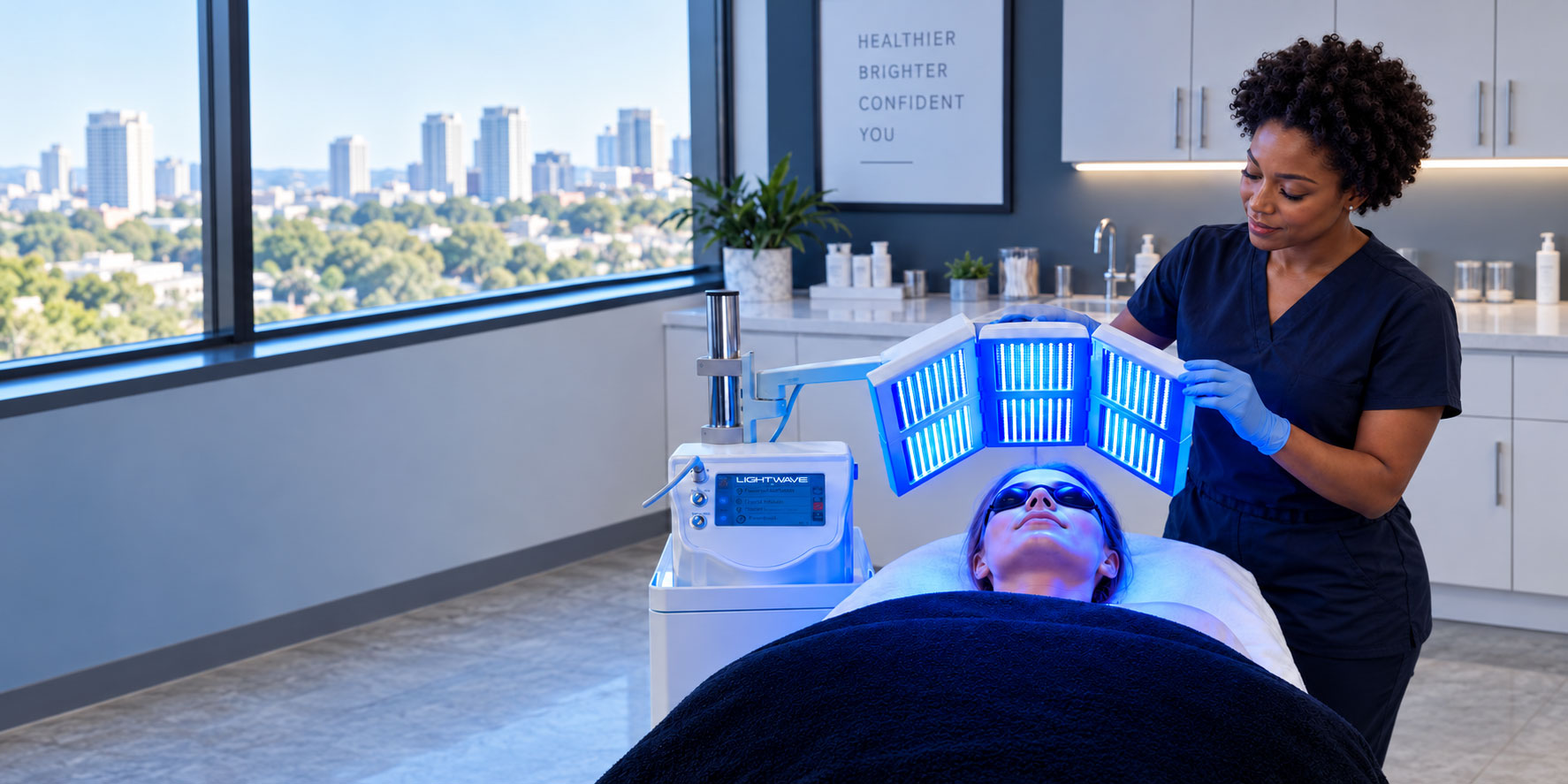
READING THE EVIDENCE
The details of the protocol matter.
Photobiomodulation research spans different wavelengths, devices, output levels, treatment times and clinical goals. A result from one study should not automatically be assumed to apply to every light therapy device or every treatment protocol.
When reviewing the literature, look at the wavelength, irradiance, dose, treatment schedule, study population and outcome being measured. Together, those details provide the context for what the study actually shows.
RESEARCH AREAS
Explore the evidence by treatment focus.
The selected materials below cover several of the areas most relevant to professional LED therapy and the wavelengths used by LIGHTWAVE.
Open skin rejuvenation research summary

Skin Rejuvenation
Selected research on red and near-infrared phototherapy, skin appearance and tissue response.
Open blue and red light research summary
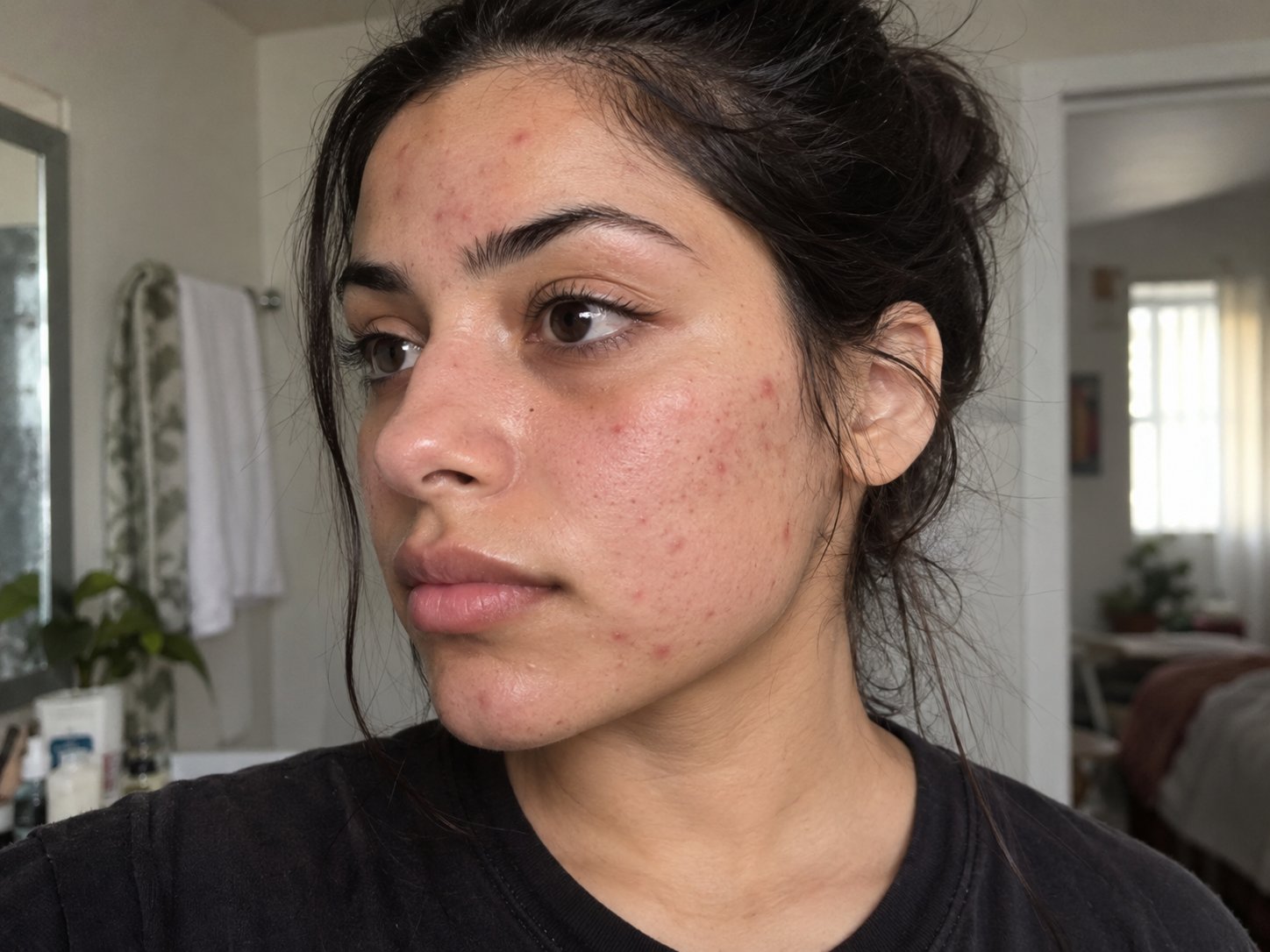
Blue + Red Light
Research examining visible light protocols used in studies of blemish-prone and acne-prone skin.
Open photobiomodulation mechanisms paper

Photobiomodulation
A reference paper covering proposed mechanisms, wavelength considerations and clinical research questions.
CORE REFERENCE LIBRARY
Selected papers and LIGHTWAVE reference material.
Use these resources as a starting point for deeper reading. Each source should be evaluated within the context of its own methods, population and treatment parameters.
MULTI-STUDY RESEARCH SUMMARY
Published studies and abstracts
A compiled LIGHTWAVE research archive covering LED and light-based studies across skin rejuvenation, acne, tissue response and related applications.
Open PDF
MECHANISMS OF LOW LEVEL LIGHT THERAPY
Mechanisms and open questions
A scientific review discussing biological mechanisms, wavelength selection, dosing and areas where additional controlled research is needed.
Open PDF
LIGHTWAVE THEORY + PROTOCOL OVERVIEW
LIGHTWAVE technical reference
A LIGHTWAVE reference guide covering wavelength principles, system operation and the role of protocol selection in professional treatment.
Open PDF
WHAT TO LOOK FOR
A study is more than its headline.
Wavelength: Different wavelengths interact with tissue differently and reach different depths.
Dose and output: Irradiance, exposure time and total energy influence the treatment delivered.
Protocol: Treatment frequency, sequence and whether wavelengths are combined can change the study design.
Population and outcome: Results should be interpreted for the specific people, condition and outcome measured in the study.
FROM RESEARCH TO PROTOCOL
Professional treatment starts with the right parameters.
LIGHTWAVE professional systems are designed around defined wavelengths and provider-selected protocols. Learn how those wavelengths fit into the treatment approach or find a trained provider near you.
